

Activated Carbon for Biogas Purification: H₂S, Siloxane Removal and Media Selection
发布时间:
2026-08-07
作者:
卡尔活性炭
来源:
卡尔活性炭
摘要
Activated Carbon for Biogas Purification: H₂S, Siloxane Removal and Media Selection
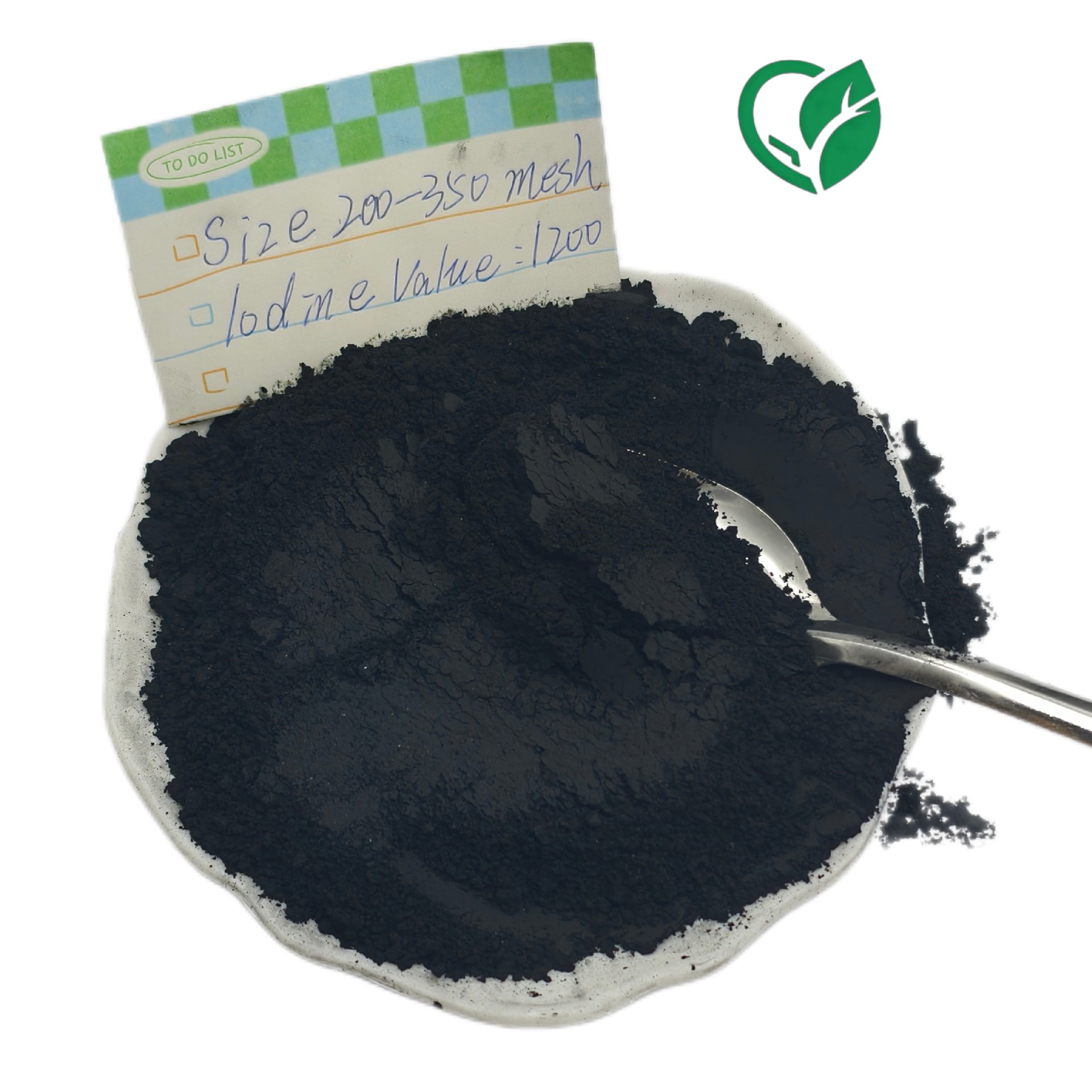 | 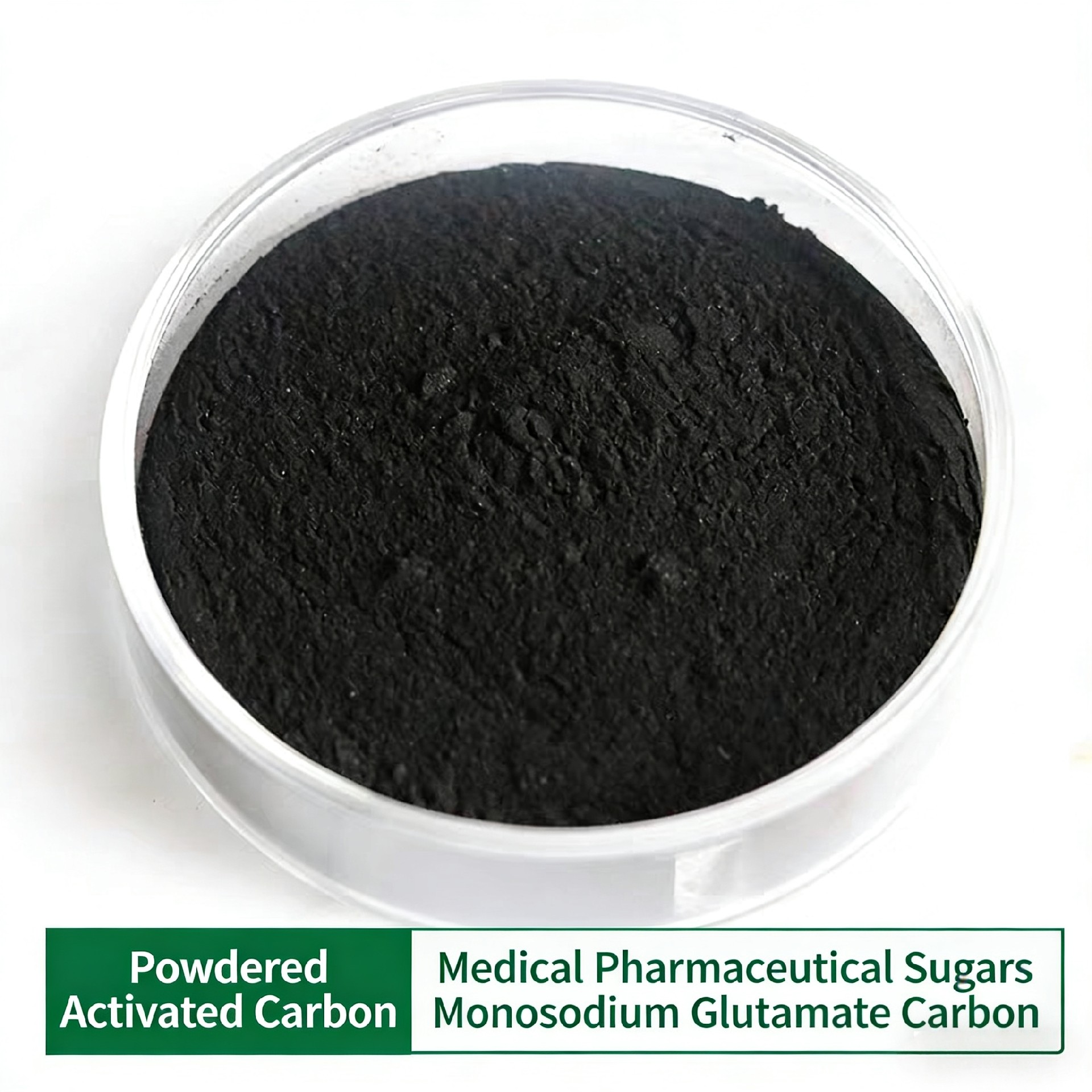 |  |
Biogas is an increasingly important renewable energy source for electricity generation, heating, combined heat and power systems, and biomethane production. However, raw biogas produced from anaerobic digestion, wastewater treatment, landfills, agricultural waste, and food waste contains more than methane and carbon dioxide. Hydrogen sulfide, siloxanes, volatile organic compounds, moisture, and other trace contaminants can damage equipment and reduce gas quality.
Activated carbon for biogas purification is widely used as a polishing and contaminant-removal technology because it provides a large internal surface area and can be engineered for different adsorption and chemical removal mechanisms. Depending on the activated carbon type, operating conditions, and target contaminant, activated carbon can remove hydrogen sulfide, siloxanes, VOCs, and other trace impurities before the gas reaches engines, turbines, upgrading equipment, or downstream gas networks.
Selecting the correct carbon media is therefore more important than simply installing a carbon filter. Gas composition, contaminant concentration, humidity, flow rate, contact time, carbon capacity, pressure drop, and replacement strategy all influence the performance and operating cost of a biogas purification system.
Biogas Purification with Activated Carbon
Biogas purification with activated carbon works by passing contaminated gas through a fixed bed filled with porous carbon media. Contaminant molecules enter the pore structure of the carbon and are retained through physical adsorption, chemical reaction, or a combination of both mechanisms.
The exact mechanism depends on the contaminant.
Siloxanes and many VOCs are primarily removed through adsorption onto the internal surface of activated carbon. Hydrogen sulfide removal can involve adsorption as well as catalytic or chemical conversion, particularly when impregnated or specially modified activated carbon is used.
This distinction matters because a carbon that performs well for VOC adsorption may not provide the same hydrogen sulfide capacity as a carbon specifically developed for biogas desulfurization.
Raw biogas quality also varies considerably between applications. Agricultural digesters, sewage treatment plants, food-waste digesters, and landfill gas systems can have different levels of hydrogen sulfide, siloxanes, moisture, VOCs, and other contaminants.
For this reason, activated carbon should be selected according to the actual gas composition rather than using one carbon grade for every biogas application.
Why Biogas Needs Purification
Raw biogas may contain contaminants that create corrosion, deposits, emissions problems, equipment damage, and unstable downstream operation.
Hydrogen sulfide is one of the most important contaminants. It is corrosive and toxic, and combustion can convert sulfur compounds into sulfur oxides. High H₂S concentrations can therefore reduce the service life of engines, pipelines, valves, heat exchangers, upgrading equipment, and other gas-handling components.
Siloxanes are another major concern, particularly in landfill gas and wastewater-treatment biogas. When siloxanes enter combustion equipment, they can form hard silicon-containing deposits. These deposits may accumulate on engine components, valves, spark plugs, pistons, turbine surfaces, and heat-recovery equipment.
VOCs and other trace organic compounds can also affect gas quality and downstream processing.
The required degree of purification depends on the final use of the biogas. Gas used in a boiler may have different quality requirements from gas supplied to a CHP engine, turbine, biomethane upgrading plant, or gas grid.
Activated carbon is particularly useful because the treatment stage can be designed around the contaminants that must be removed before the next process.
H₂S Removal from Biogas with Activated Carbon
H₂S removal from biogas with activated carbon is one of the most established uses of activated carbon in biogas treatment.
Hydrogen sulfide molecules enter the pore structure of the carbon bed, where removal can occur through adsorption and surface reactions. Specially treated and impregnated activated carbons are often used when higher sulfur-removal capacity is required.
This application is also commonly described as activated carbon for biogas desulfurization.
The performance of an H₂S carbon bed depends on more than the nominal sulfur capacity of the carbon. Inlet H₂S concentration, gas flow, humidity, oxygen availability, temperature, contact time, carbon bed geometry, and contaminant competition can all influence actual service life.
How Activated Carbon Removes H₂S
Different activated carbons use different removal mechanisms.
Standard activated carbon provides a porous adsorption surface. Modified carbon can additionally create surface conditions that promote the conversion or retention of hydrogen sulfide.
Impregnated activated carbon contains selected chemical additives or surface modifications intended to improve removal of particular contaminants. Depending on the formulation, this can substantially increase performance for hydrogen sulfide compared with untreated carbon under suitable operating conditions.
This is why impregnated activated carbon for biogas is frequently considered when H₂S is the principal contaminant.
The optimum choice still depends on the gas stream. Higher apparent laboratory capacity does not automatically mean lower field operating cost. Pressure drop, bed utilization, operating humidity, disposal requirements, and carbon price should also be considered.
Factors Affecting H₂S Removal Efficiency
Inlet concentration strongly affects loading rate. A carbon vessel treating a high-H₂S stream will consume sulfur capacity more quickly than the same vessel treating a low-concentration polishing stream.
Gas flow influences residence time. If flow becomes too high for the vessel and carbon bed design, insufficient contact can reduce effective utilization of the media.
Moisture can also influence hydrogen sulfide removal chemistry. The required moisture conditions depend on the activated carbon formulation and reaction mechanism.
The most reliable selection therefore starts with a gas analysis and operating data rather than selecting activated carbon by iodine number or surface area alone.
Siloxane Removal from Biogas with Activated Carbon
Siloxane removal from biogas with activated carbon is especially important when the cleaned gas will be used in engines, turbines, or other combustion equipment.
Siloxanes originate from silicon-containing products used in personal care products, detergents, industrial materials, and other consumer or commercial applications. They can enter wastewater and landfill waste streams and later appear in the resulting biogas.
Activated carbon removes many siloxanes through physical adsorption. Its porous structure provides a large internal surface on which siloxane molecules can be retained.
The adsorption capacity depends on the carbon pore structure, the mixture of siloxanes present, gas temperature, humidity, competing VOCs, inlet concentration, and operating conditions.
Why Siloxane Removal Protects Engines and Turbines
When siloxane-containing biogas is combusted, silicon compounds can be converted into solid deposits.
Over time, these deposits may increase maintenance requirements and reduce equipment reliability. Removing siloxanes before combustion therefore protects downstream engines and turbines while helping maintain heat-transfer and combustion performance.
A properly designed biogas activated carbon filter can serve as a final polishing stage after upstream moisture removal or other pretreatment processes.
For gas containing both H₂S and siloxanes, the treatment system may use different carbon grades or separate treatment stages because the optimal media for sulfur removal and siloxane adsorption are not always identical.
VOCs and Other Biogas Contaminants Removal with Activated Carbon
Activated carbon can also remove many volatile organic compounds and trace organic contaminants from biogas.
This capability is particularly relevant in landfill gas, sewage gas, and industrial digestion systems where the contaminant profile can be more complex.
VOCs compete for adsorption sites inside the activated carbon. Their molecular size, concentration, volatility, polarity, and affinity for the carbon surface influence removal performance.
Competition between contaminants is an important design consideration. A carbon bed exposed simultaneously to siloxanes, VOCs, and sulfur compounds may behave differently from a laboratory test conducted using a single contaminant.
For complex gas streams, media selection should therefore consider the full contaminant profile.
Activated carbon should also not be treated as a universal solution for every component in raw biogas. Carbon media are highly effective for selected trace contaminants, but complete biogas upgrading may require additional technologies for moisture removal, bulk carbon dioxide separation, compression, and other treatment requirements.
Types of Activated Carbon for Biogas Purification
Different activated carbon grades provide different pore structures, mechanical properties, adsorption capacities, and surface chemistries.
The appropriate activated carbon types for biogas purification depend primarily on the contaminant that must be removed.
| Activated Carbon Type | Typical Role in Biogas Treatment | Main Selection Considerations |
|---|---|---|
| Coconut shell activated carbon | VOC and selected trace-organic adsorption | High hardness, pore structure, adsorption characteristics |
| Coal-based activated carbon | General gas-phase purification and contaminant adsorption | Broad pore distribution, mechanical strength, cost |
| Impregnated activated carbon | H₂S and selected reactive gas removal | Impregnant chemistry, sulfur capacity, operating conditions |
| Catalytic or modified activated carbon | Enhanced H₂S treatment in suitable gas streams | Surface chemistry, humidity, oxygen and contaminant loading |
| Specialized siloxane carbon | Siloxane and organic contaminant removal | Siloxane capacity, competing VOCs and gas conditions |
The raw material itself does not determine performance on its own. Two activated carbons produced from the same feedstock may behave differently because activation conditions, pore-size distribution, surface treatment, impregnation, particle size, and manufacturing specifications are different.
For biogas service, contaminant-specific adsorption data are therefore more useful than relying only on general parameters such as BET surface area or iodine number.
How to Select Activated Carbon for Biogas Purification
Activated carbon media selection for biogas should begin with the application rather than the carbon specification sheet.
The most important information includes the target contaminant, inlet and required outlet concentrations, gas flow rate, temperature, pressure, relative humidity, oxygen content, operating hours, gas composition, and expected contaminant fluctuations.
For H₂S treatment, sulfur-removal capacity under representative conditions is particularly important.
For siloxanes, the carbon pore structure and adsorption performance for the relevant siloxane species deserve greater attention.
For VOC treatment, the type and concentration of organic compounds determine how quickly the available adsorption capacity will be consumed.
Particle size also matters. Smaller particles may improve mass transfer but can increase pressure drop. Larger particles may reduce resistance but require suitable vessel dimensions and sufficient contact time.
Mechanical strength should be considered when carbon is transported, loaded, exposed to vibration, or subjected to repeated operating cycles. Excessive carbon fines can increase pressure drop and complicate handling.
The final decision should therefore balance contaminant-removal performance with pressure drop, carbon consumption, vessel size, replacement frequency, handling requirements, and total operating cost.
Impregnated vs Non-Impregnated Activated Carbon
This is an important decision in many biogas projects.
Non-impregnated activated carbon relies mainly on its pore structure and surface properties for adsorption. It may be appropriate for siloxanes, VOCs, and certain polishing applications.
Impregnated or chemically modified carbon introduces additional surface chemistry designed for particular reactive contaminants such as hydrogen sulfide.
A mixed-contaminant system may use different media sequentially rather than relying on one carbon to remove every impurity.
This approach can improve carbon utilization because a high-capacity H₂S media can handle sulfur first while a downstream adsorption carbon removes siloxanes and VOCs.
Activated Carbon Adsorber Design for Biogas Purification
Good media cannot compensate for poor system design.
An activated carbon adsorber design for biogas purification must provide sufficient contact between the contaminated gas and the carbon while controlling pressure drop and preventing channeling.
Gas should be distributed evenly across the carbon bed. Poor distribution creates preferential flow paths that leave part of the carbon underutilized while another portion reaches breakthrough early.
Bed depth should provide enough mass-transfer zone development and operating capacity. Gas flow determines superficial velocity and contact time, while vessel diameter affects velocity and pressure drop.
The system should also account for condensate management. Liquid water entering a carbon bed can interfere with gas flow and adsorption performance. Upstream moisture separation is therefore frequently incorporated before activated carbon treatment.
Lead-Lag Activated Carbon Systems
For applications requiring reliable outlet quality, two vessels may be installed in a lead-lag arrangement.
The first vessel carries most of the contaminant load. The second acts as a polishing and safety stage.
When breakthrough from the first vessel reaches the replacement criterion, the exhausted media can be changed and the vessel sequence can be rotated.
This arrangement provides better utilization of the activated carbon and reduces the risk of untreated contaminant reaching downstream equipment.
Breakthrough Monitoring and Carbon Replacement
Activated carbon replacement for biogas should be based on contaminant breakthrough and operating data rather than a fixed calendar schedule alone.
Sampling points before and after the carbon vessels allow operators to track removal performance.
For H₂S service, outlet sulfur concentration can provide a direct indication of carbon-bed condition. Siloxane monitoring may require more specialized analysis.
Pressure drop should also be monitored. A rising differential pressure can indicate fines, moisture accumulation, contamination, or other bed problems.
Tracking gas volume treated, inlet contaminant concentration, outlet concentration, and carbon mass provides valuable information for estimating actual field capacity and improving future media selection.
Activated Carbon in Biomethane Upgrading
Activated carbon in biomethane upgrading is commonly used as a contaminant-removal or polishing stage rather than as the only upgrading technology.
Producing biomethane requires the gas to meet much tighter quality requirements than untreated biogas.
Depending on the process, bulk carbon dioxide may be removed through membrane separation, pressure swing adsorption, water scrubbing, chemical absorption, or another upgrading technology.
Activated carbon can support this process by removing H₂S, residual sulfur compounds, siloxanes, VOCs, and other trace contaminants that could damage upgrading equipment or compromise final gas quality.
When biomethane is intended for grid injection or vehicle fuel, contaminant control becomes particularly important because downstream gas specifications must be met consistently.
This makes activated carbon useful both before the upgrading stage and as a final polishing step, depending on plant design.
Frequently Asked Questions About Activated Carbon for Biogas Purification
How long does activated carbon last in a biogas scrubber?
Activated carbon life depends on the contaminant concentration, gas flow, carbon mass, adsorption capacity, humidity, temperature, operating hours, and required outlet specification.
A bed treating low-concentration H₂S as a polishing stage may operate much longer than one treating high-H₂S raw biogas.
Service life should therefore be calculated from project-specific contaminant loading and confirmed through breakthrough monitoring.
Can activated carbon remove siloxanes from biogas?
Yes. Activated carbon is widely used for siloxane adsorption from biogas and landfill gas.
Performance depends on the activated carbon pore structure, siloxane composition, temperature, humidity, competing VOCs, and carbon-bed design.
What type of activated carbon is best for biogas purification?
There is no single carbon grade that provides the best performance for every biogas stream.
H₂S removal often benefits from impregnated, catalytic, or chemically modified activated carbon, while siloxanes and VOCs may require carbon selected primarily for physical adsorption performance.
Gas analysis should guide media selection.
How much activated carbon is required for biogas purification?
The required quantity is related to contaminant mass loading and the practical working capacity of the selected carbon.
A sizing calculation should consider gas flow, contaminant concentration, required outlet concentration, operating time between changeouts, carbon working capacity, system configuration, and a suitable design margin.
Using only total gas flow without contaminant concentration is not sufficient for reliable carbon sizing.
How often should activated carbon be replaced in a biogas system?
Replacement should occur before contaminant breakthrough exceeds the required outlet specification.
Plants with stable gas composition may develop predictable changeout intervals after collecting operating data. Facilities with variable feedstock or contaminant levels require closer monitoring because carbon consumption can change substantially over time.
How much does activated carbon treatment for biogas cost?
Treatment cost depends on carbon consumption rather than carbon price alone.
The main variables include contaminant loading, activated carbon working capacity, replacement frequency, vessel utilization, labor, freight, disposal, pressure drop, and plant operating time.
A higher-capacity carbon may have a higher purchase price per kilogram but a lower treatment cost per unit of gas when it requires less frequent replacement.
Activated carbon vs iron sponge: which is better for biogas desulfurization?
Both technologies can remove hydrogen sulfide, but their suitability differs by gas conditions, H₂S loading, plant scale, maintenance strategy, outlet requirements, and operating economics.
Iron-based media are commonly considered for bulk sulfur removal, while activated carbon is frequently attractive for high-efficiency polishing and applications requiring low outlet H₂S concentrations.
Some plants combine upstream bulk desulfurization with downstream activated carbon polishing to reduce carbon consumption.
Does activated carbon remove CO₂ from biogas?
Activated carbon used in conventional biogas purification systems is primarily selected for trace contaminants such as H₂S, siloxanes, and VOCs. It should not be assumed to provide the bulk CO₂ removal required for biomethane production.
Dedicated upgrading technologies are normally used when methane enrichment and substantial carbon dioxide removal are required.
Choosing the Right Activated Carbon for Your Biogas Project
The performance of activated carbon for biogas purification depends on matching the carbon media and adsorber system to the actual gas stream.
H₂S concentration, siloxane loading, VOC composition, moisture, gas flow, operating temperature, outlet requirements, and desired replacement interval should all be evaluated before carbon selection.
For projects focused on H₂S removal from biogas, sulfur capacity and surface chemistry deserve particular attention. For siloxane and VOC treatment, pore structure and contaminant-specific adsorption performance become more important. Systems treating several contaminants may achieve better performance by using multiple treatment stages instead of expecting one carbon grade to perform every function.
For a project-specific activated carbon recommendation, the most useful starting information is the biogas source, gas flow rate, H₂S concentration, siloxane and VOC data, temperature, humidity, operating pressure, required outlet quality, and expected annual operating hours.
推荐阅读
Activated Carbon Dosage Calculation: How to Size GAC and PAC for Water Treatment
2026-08-06
2026-07-08
2026-07-17


